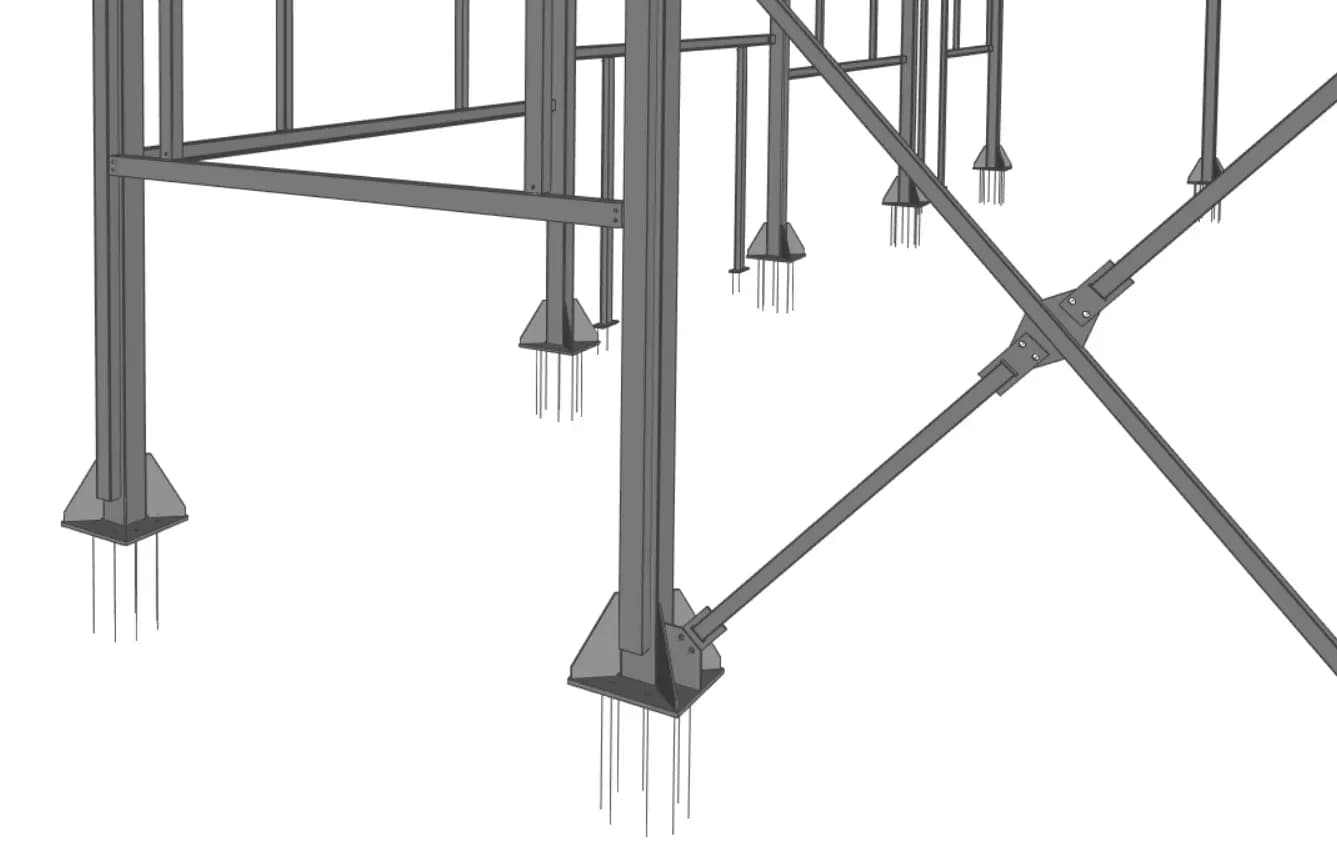
Warehouse Hall, Bavaria
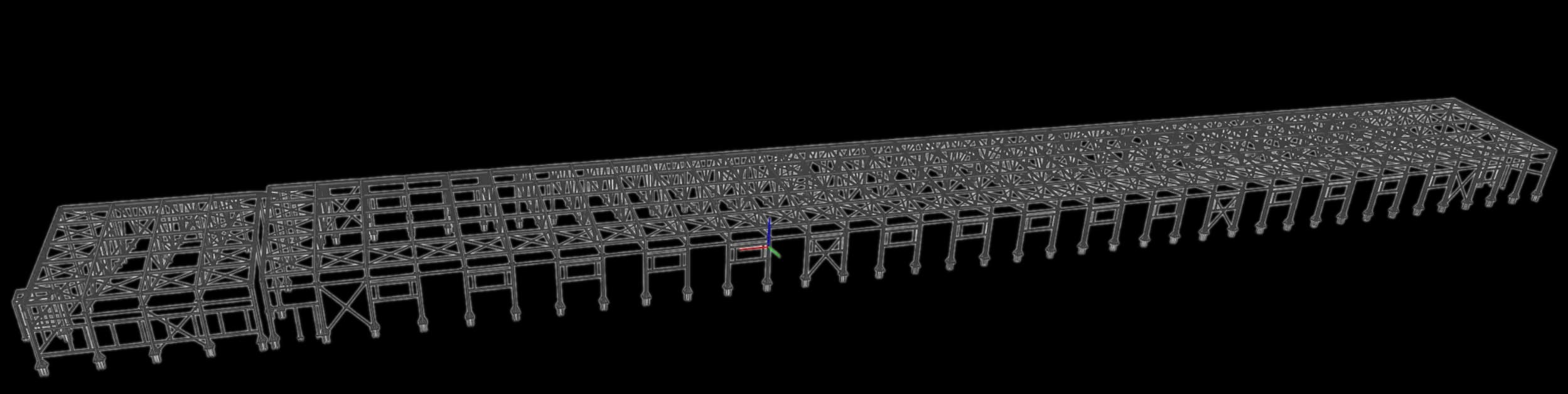
The steel structure was designed for efficient storage and operation of machinery while providing sufficient storage space for materials and products. As part of the project, a comprehensive site survey was conducted to determine the specific requirements for the hall. Based on this, a detailed 3D model of the steel structure was created, visualizing the positioning of support columns, roof structure, and other load-bearing elements. Precise structural calculations were performed to ensure the safety and load-bearing capacity of the construction with regard to local wind loads, snow loads, and the dead load of the steel structure. Additionally, workshop plans were prepared specifying all necessary manufacturing details and materials, while assembly plans included detailed instructions for on-site construction.
Challenges
One of the main challenges of the project was optimizing the steel structure to meet both static requirements and the high functional demands of the warehouse hall. Particularly demanding was the precise adaptation of the structure to the specific conditions of the site, especially concerning the local terrain and climatic conditions in Bavaria. This required close collaboration between various technical disciplines to ensure structural integrity while maintaining efficient assembly processes without compromising project timelines.
01.04.2018 - 01.09.2018
| Weight | 21 | tons |
| Planning hours | 348 | hours |
| Total area | 2520 | m² |
| Length | 126 | m |
| Width | 20 | m |
| Height | 7 | m |
Adress:
Bavaria, Germany
Project phases
Requirements Analysis
In this phase, the specific requirements for the steel structure of the warehouse hall were identified in collaboration with the client and involved technical departments. This included functional needs such as required storage capacity, the type of materials to be stored, safety regulations, and the integration of machinery and equipment. Furthermore, infrastructural prerequisites such as site access, adjacent infrastructure, and necessary spatial concepts were defined to drive the planning process effectively.
Surveying with 3D Laser Scanning
To accurately capture existing site conditions, 3D laser scanning technology was employed. This enabled precise, high-resolution documentation of the existing state, including terrain and all relevant building and infrastructure features. The laser scanning captured all geometric data, creating an exact foundation for subsequent planning stages and minimizing later corrections and adjustments.
As-Built Modeling
Based on the 3D survey results, the existing conditions of the site and structures were digitally reconstructed. This involved creating a detailed digital model encompassing all relevant components such as foundations, existing buildings, utility lines, and terrain formations. The model served as the basis for planning the steel structure and accurately positioning all new components.
Design Phase (LPH 3) and Concept
This phase involved developing the steel structure design, including conceptualization of the warehouse hall with structural configuration, material selection, and technical specifications. The design incorporated structural calculations while meeting functional and safety requirements, aiming to deliver an efficient, sustainable, and cost-effective solution for industrial operations.
Approval Planning (LPH 4)
Following the design phase, detailed planning in performance stage 4 addressed all regulatory and technical requirements. This included coordination with authorities for permitting, with all plans verified for legal and technical compliance before final approval. Structural and construction details were finalized to prepare for execution.
Execution Planning (LPH 5)
The execution phase produced workshop drawings for steel fabrication and assembly plans for hall construction. Workshop drawings specified manufacturing details including material thicknesses, connections, and fabrication tolerances. Assembly plans provided step-by-step erection sequences with required equipment and scheduling, ensuring smooth and timely implementation of the steel structure.
Galery
Main view
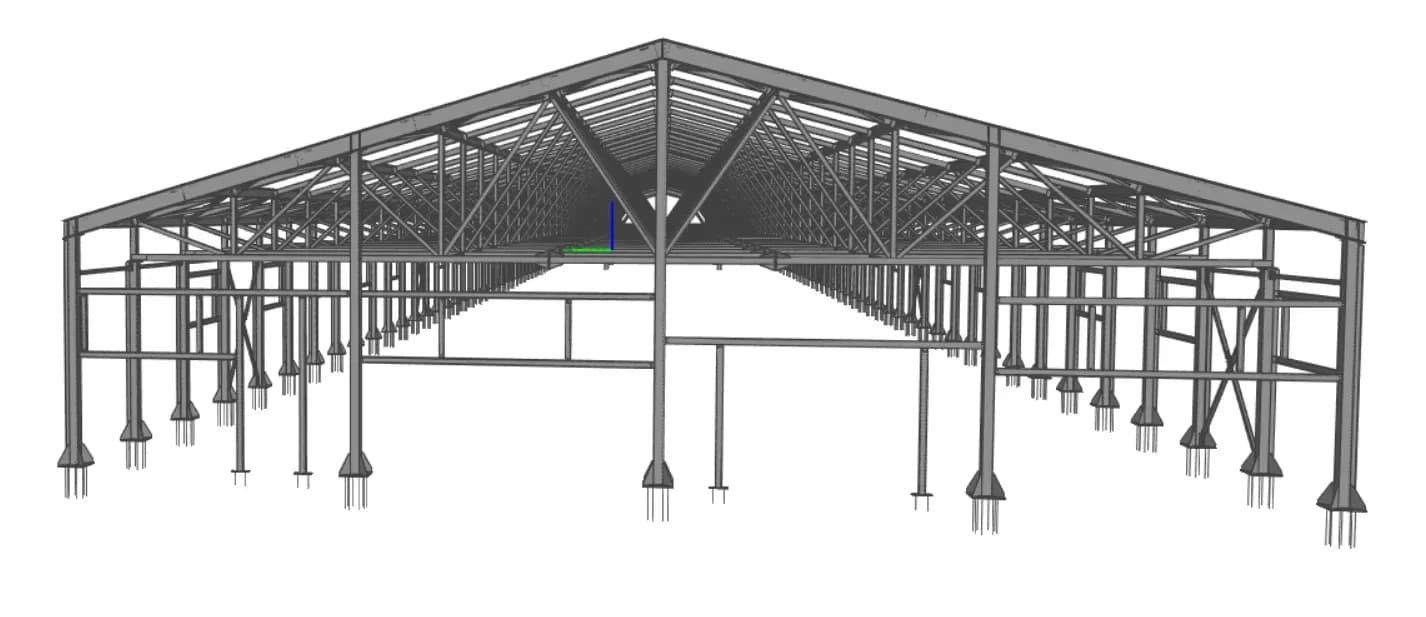
View from right side
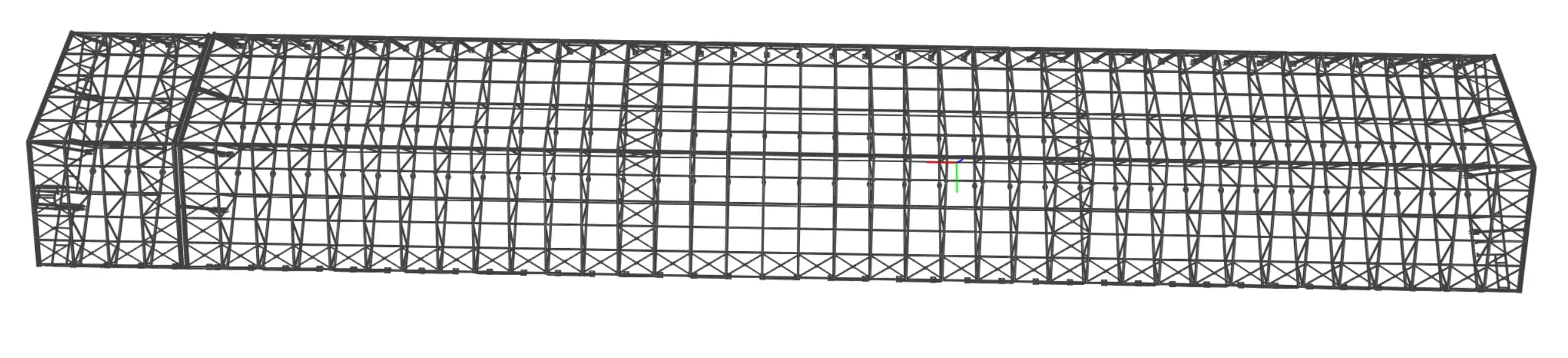
Upper view
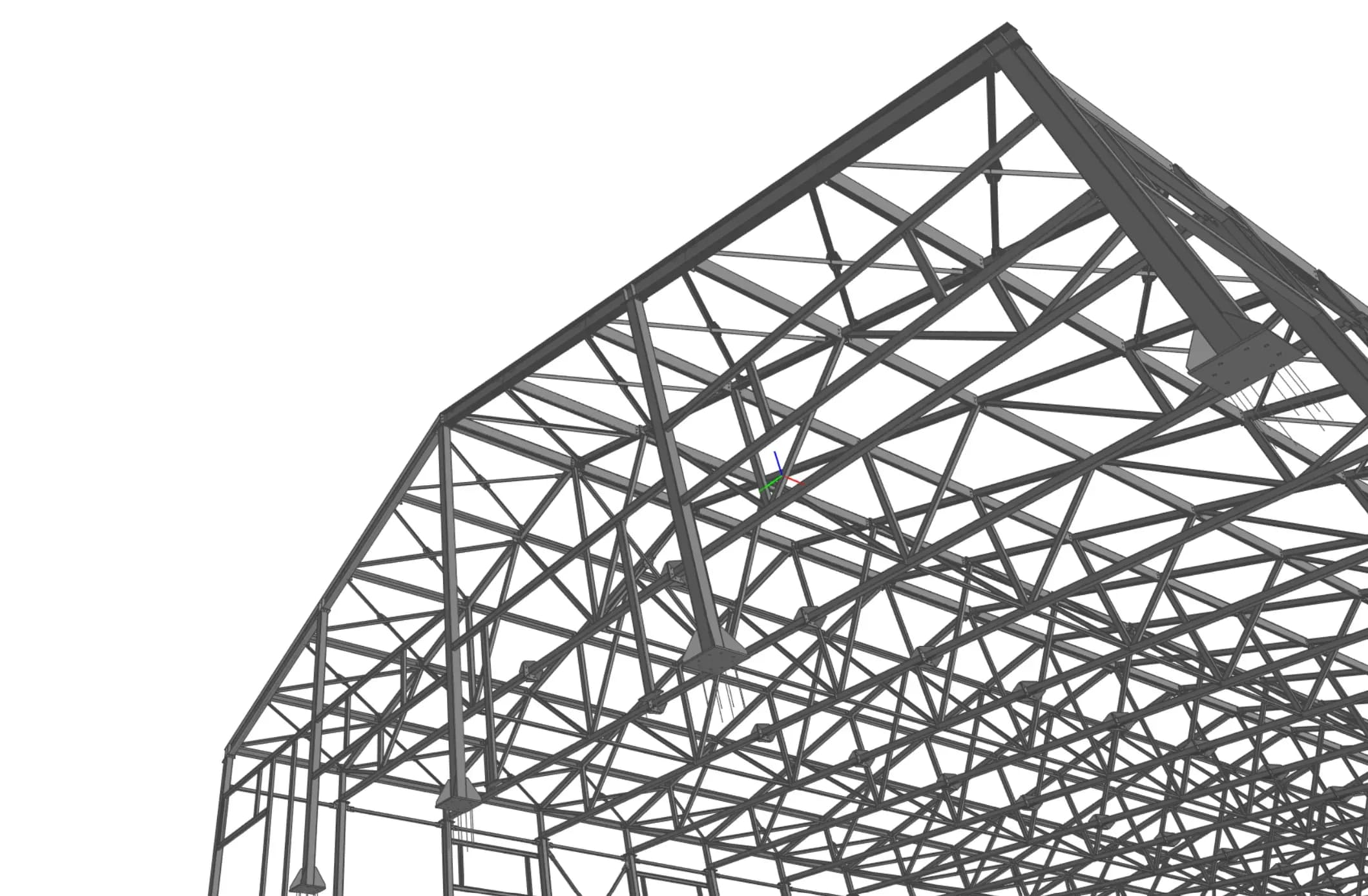
Roof structure