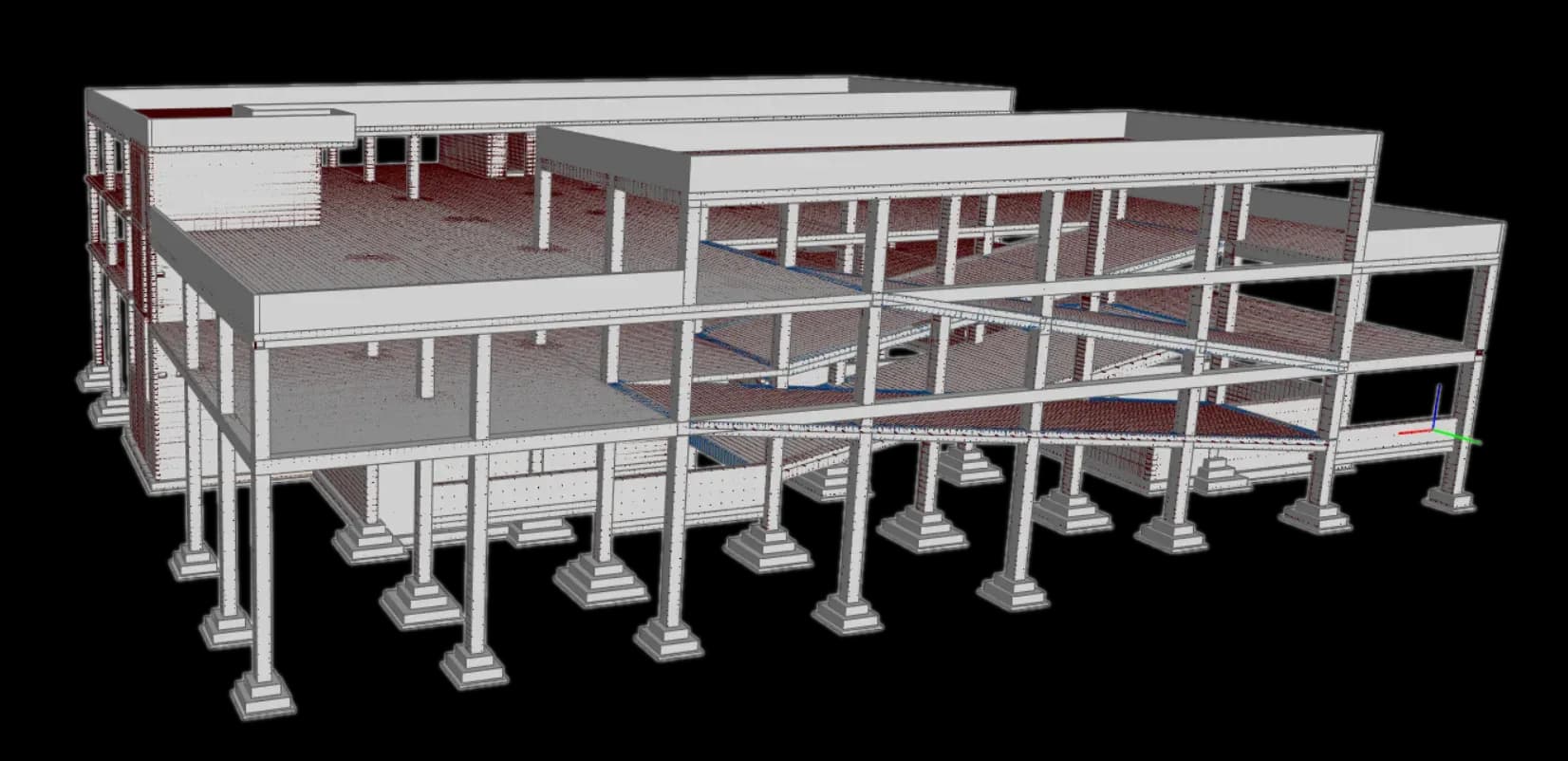
3-Story Shopping Center, Bavaria
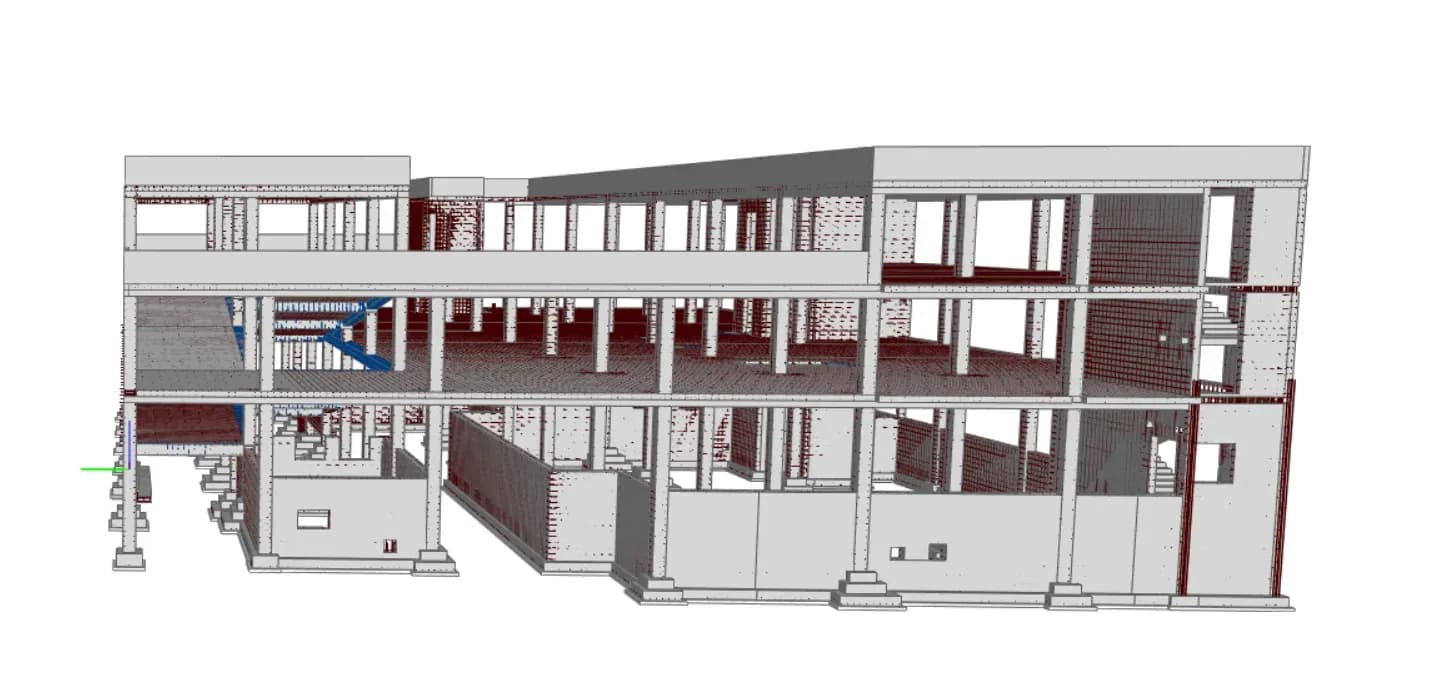
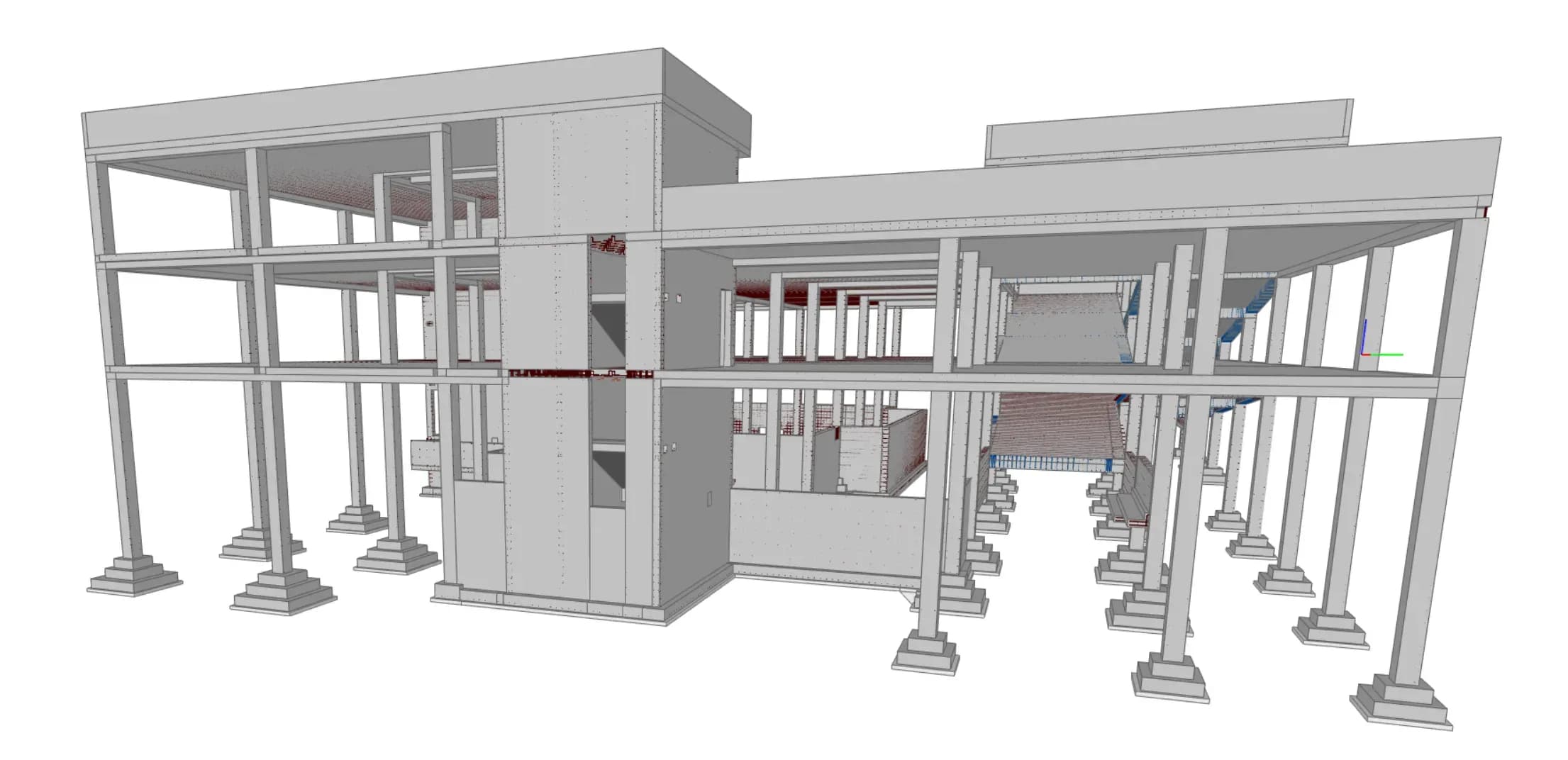
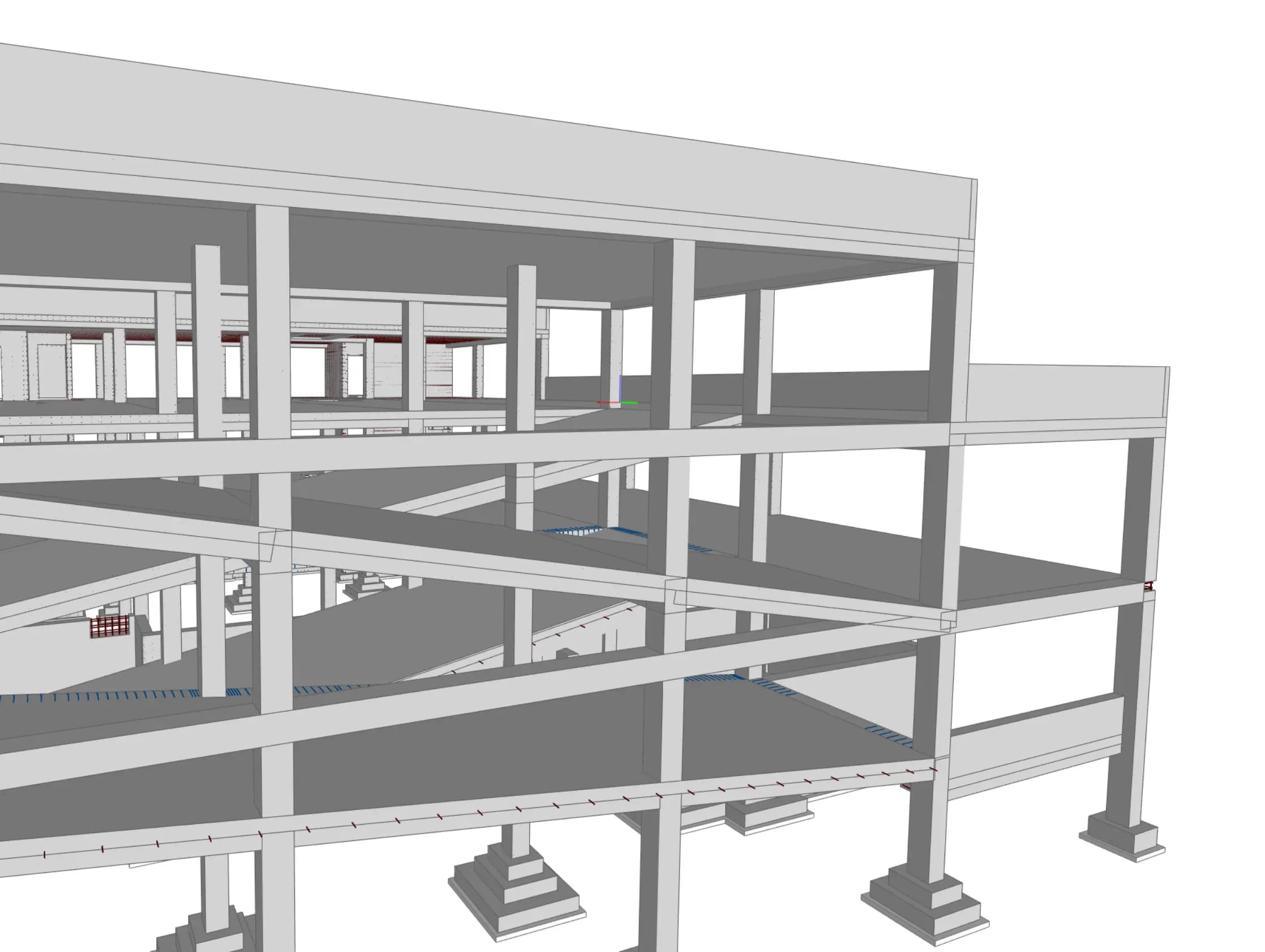
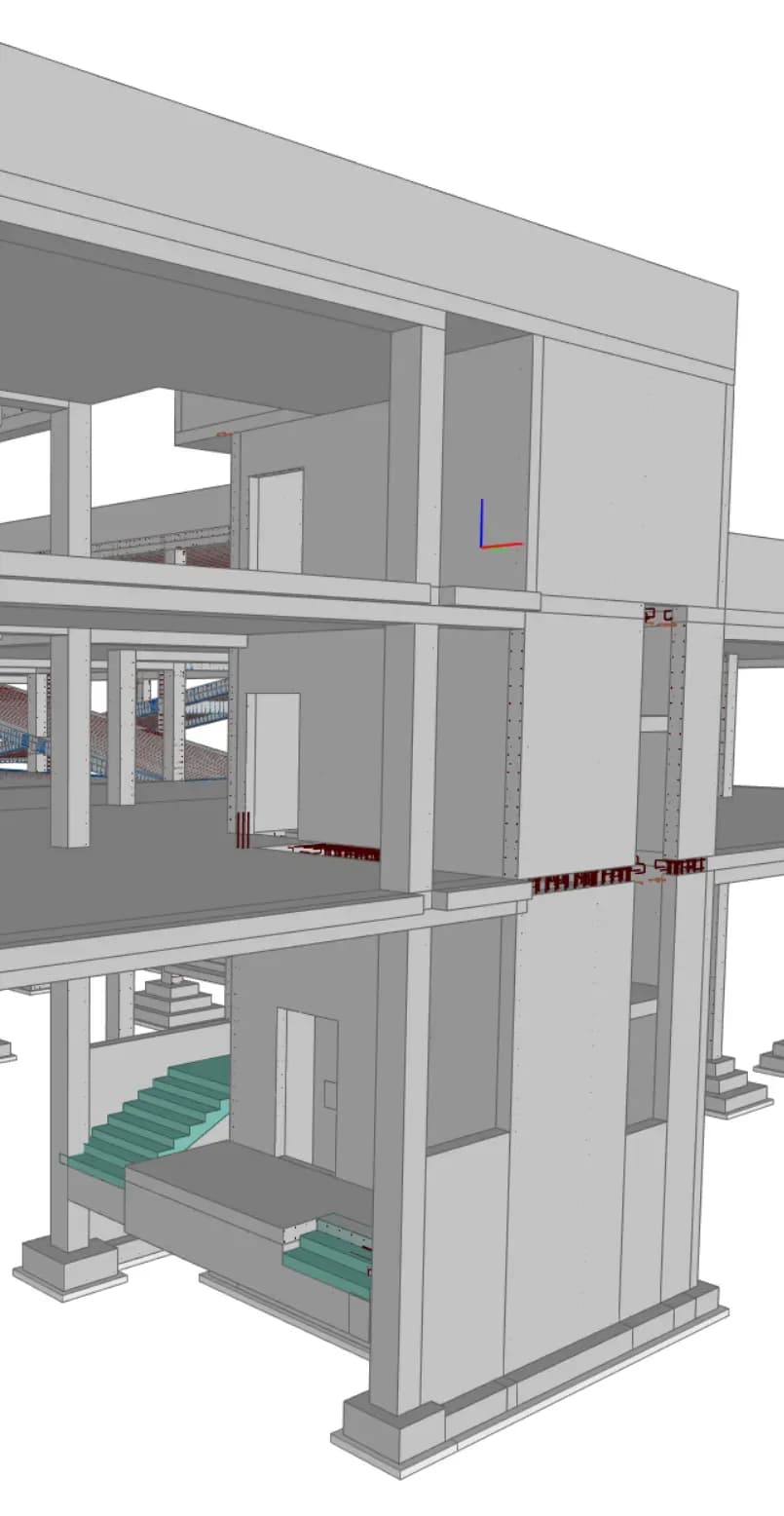
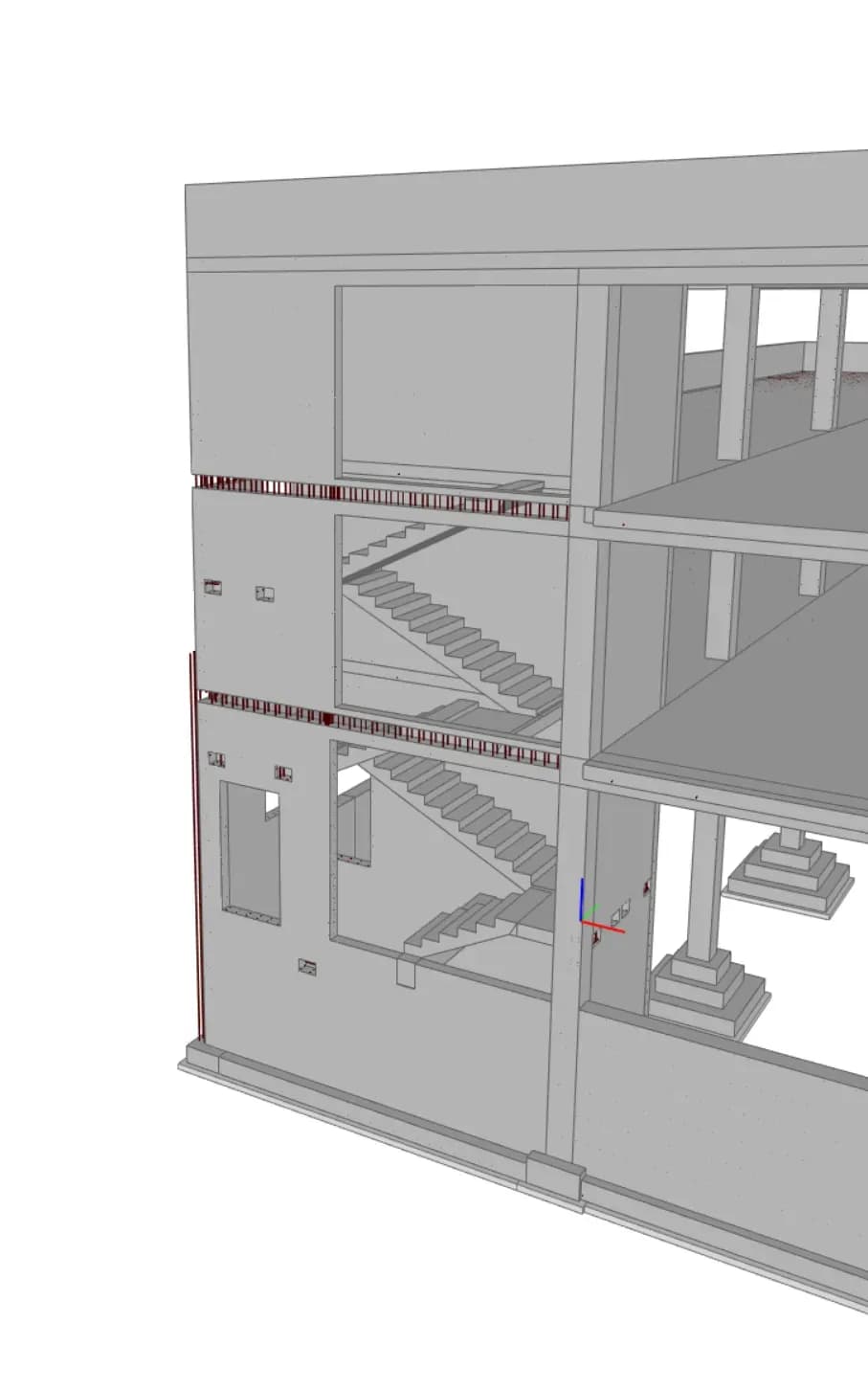
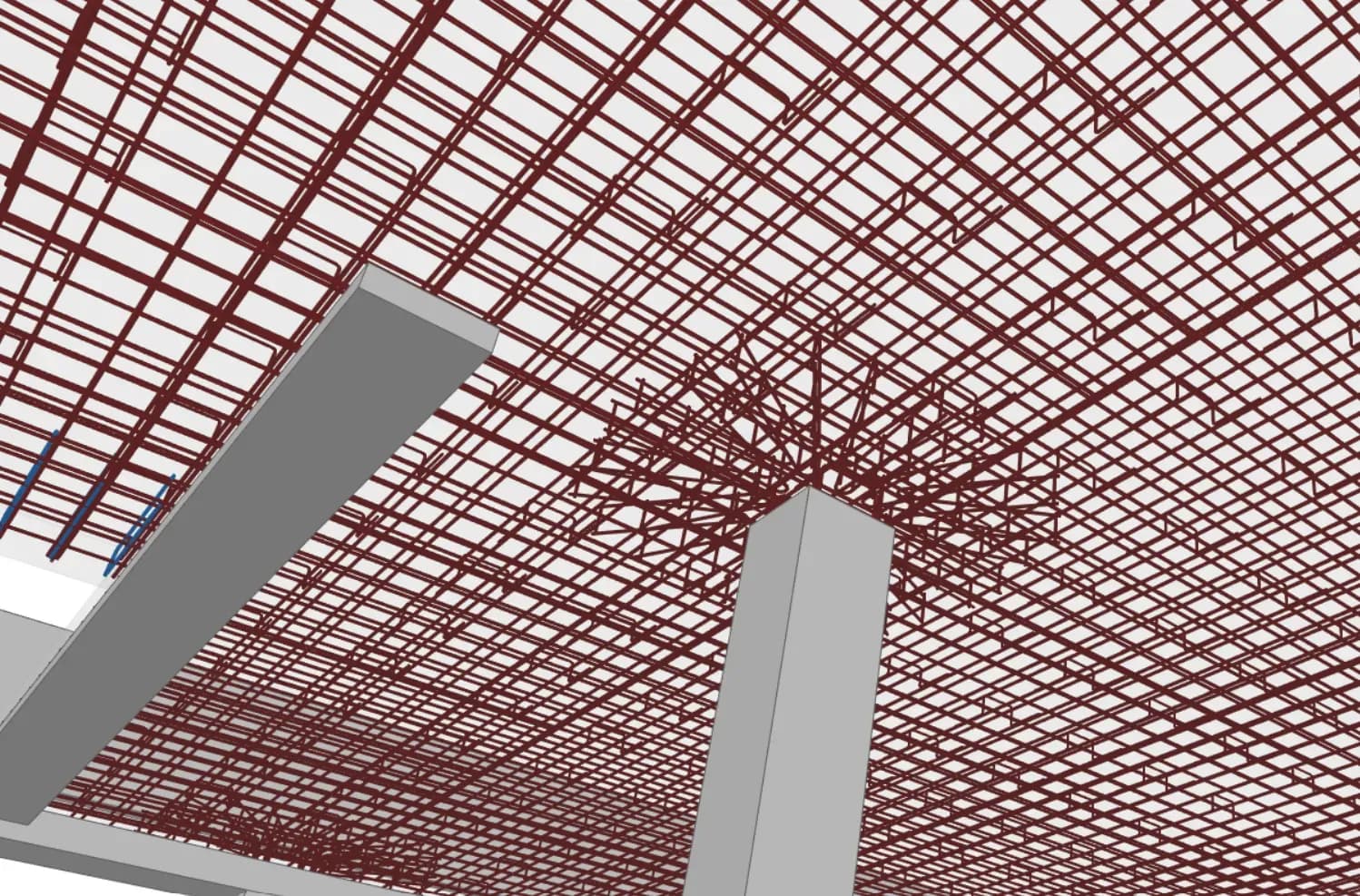
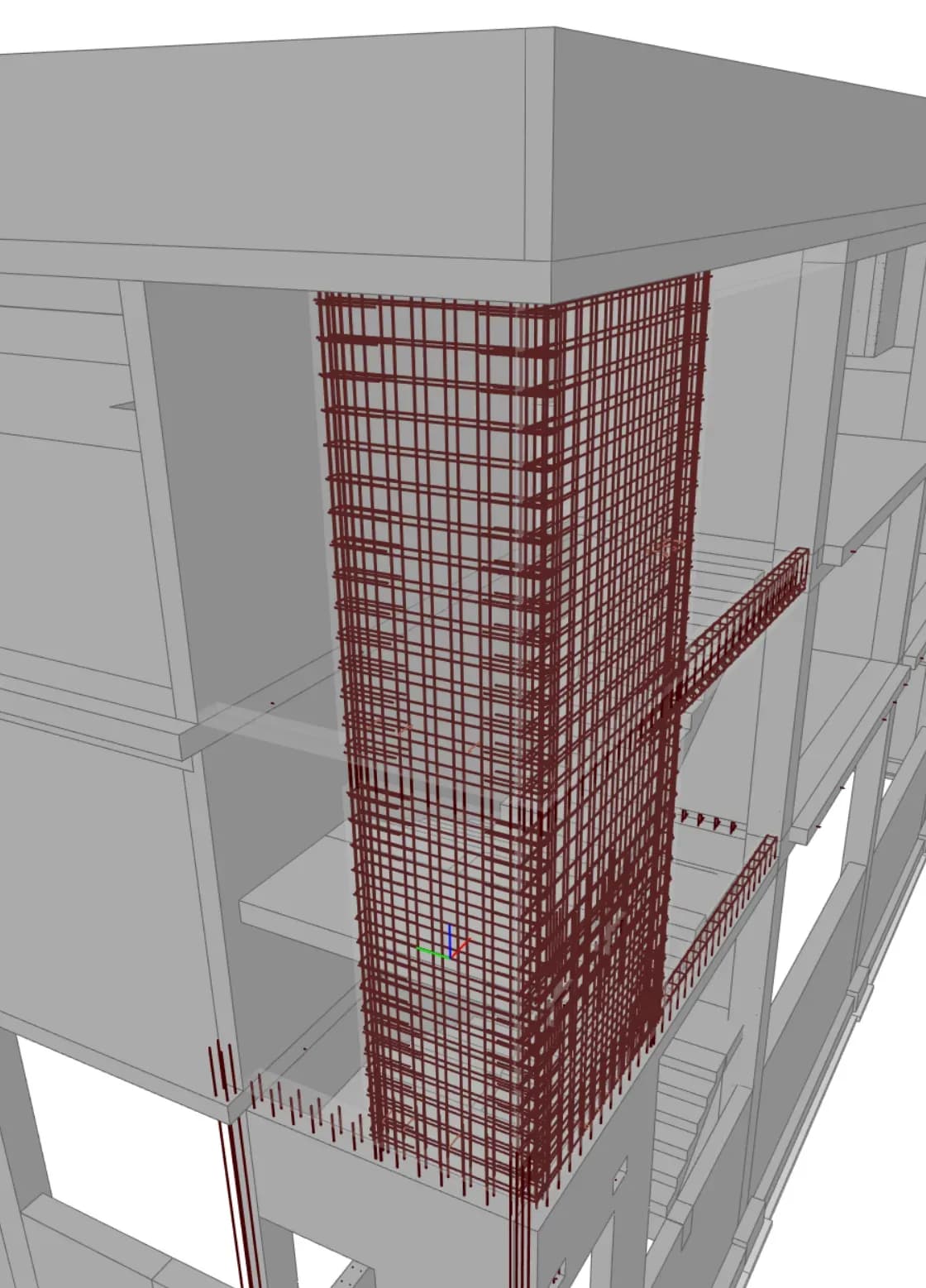
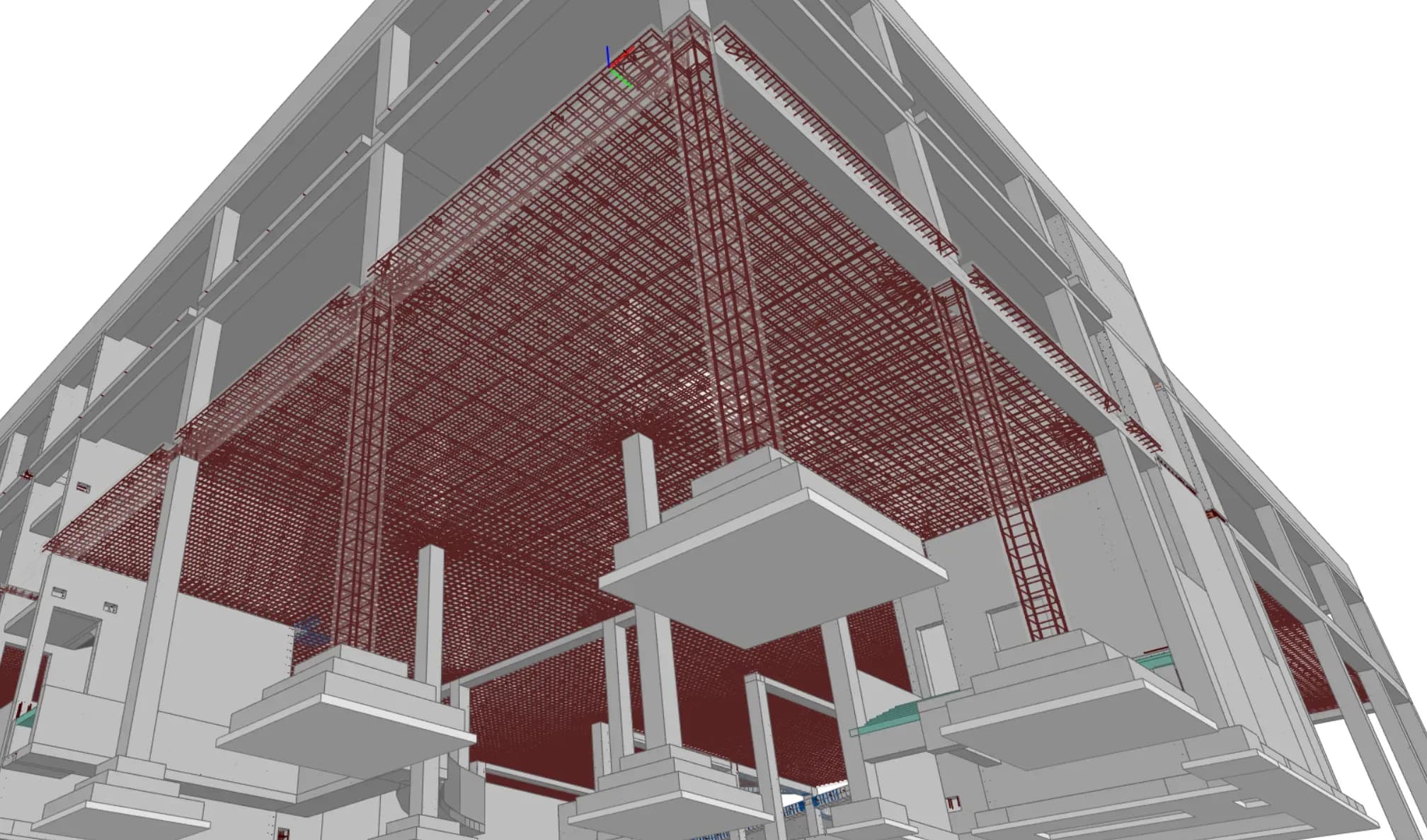
The concrete structure comprises the load-bearing elements of the building envelope, including foundations, walls, floors, and roof. As part of the planning process, comprehensive surveys of the building site and the surrounding infrastructure were carried out. Based on this, a detailed 3D model of the structure was created to ensure the integration of all technical components and the precise execution of the construction project. The building's structural design was developed with consideration for regional conditions and the specific requirements of a high-traffic shopping center.
Challenges
The greatest challenge in this project was the complex logistics involved in the concrete construction, particularly the precise planning and execution of the large, prefabricated concrete elements. Due to strict building regulations and the need to complete the structure within a tight timeframe, the production and transportation of the concrete components had to be meticulously coordinated to avoid delays while still meeting high structural standards.
01.03.2020 - 01.12.2021
| Tonnage | 2400 | tons |
| Planning hours | 3840 | hours |
| Total area | 4850 | m² |
| Length | 42.4 | m |
| Width | 34.6 | m |
| Height | 13.8 | m |
Adress:
Bavaria, Germany
Project phases
Requirements Analysis
At the start of the project, a detailed requirements analysis was conducted to identify all technical, functional, and legal requirements of the shopping center.
3D Laser Scanning Survey
In this phase, the existing site and structures were surveyed using advanced 3D laser scanning technology to ensure a precise and detailed capture of on-site conditions.
As-Built Modeling
Based on the data obtained from 3D laser scanning, the existing structures were digitally modeled to ensure that the planned shopping center would be accurately aligned with the actual site conditions.
Design Phase (LPH 3)
In this phase, the initial concept for the shopping center was developed, including the design of the concrete structure and the integration of functional and architectural elements.
Approval Planning (LPH 4)
As part of the approval planning, the design was broken down into all relevant components and finalized, including the detailed planning of the concrete structure.
Implementation Planning (LPH 5)
During this phase, execution plans were created to guide the production and assembly of the concrete elements, ensuring smooth production and precise installation of the concrete structure.
Construction Supervision
During the construction phase, the engineering firm took over construction supervision to ensure that all work was carried out in accordance with the approved plans and defined quality standards.
Galery