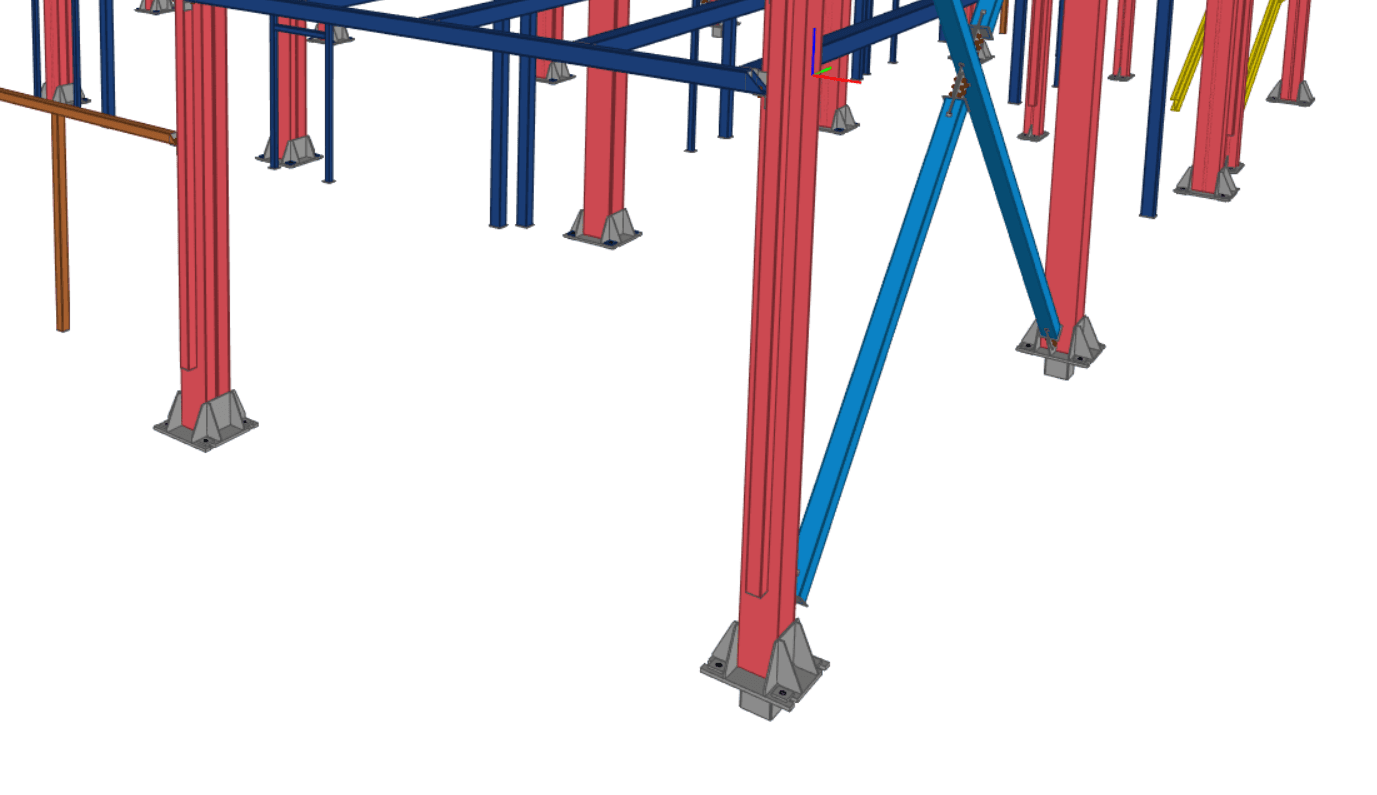
Production Building Silicon Plant, Thuringia
This state-of-the-art building is designed to enable efficient and sustainable production of silicon products used in the electronics and solar industries. The facility includes production areas, storage spaces, offices, and technical installations to ensure smooth operations. The integration of innovative technologies and sustainable building materials is a key focus, minimizing the plant's ecological footprint while maintaining the highest standards in production quality.
Challenges
A significant difficulty was the seamless integration of technological equipment into the existing infrastructure. Additionally, strict safety and environmental regulations required intensive planning efforts. Compliance with local building codes also posed a challenge, along with the need for precise land surveying to determine the optimal location for the new building.
15.01.2021 - 01.12.2021
| Tonnage | 2.4 | tons |
| Planning hours | 150 | hours |
| Total area | 20 | m² |
| Length | 4.5 | m |
| Width | 4.5 | m |
| Height | 4.5 | m |
Adress:
Thüringen, Deutschland
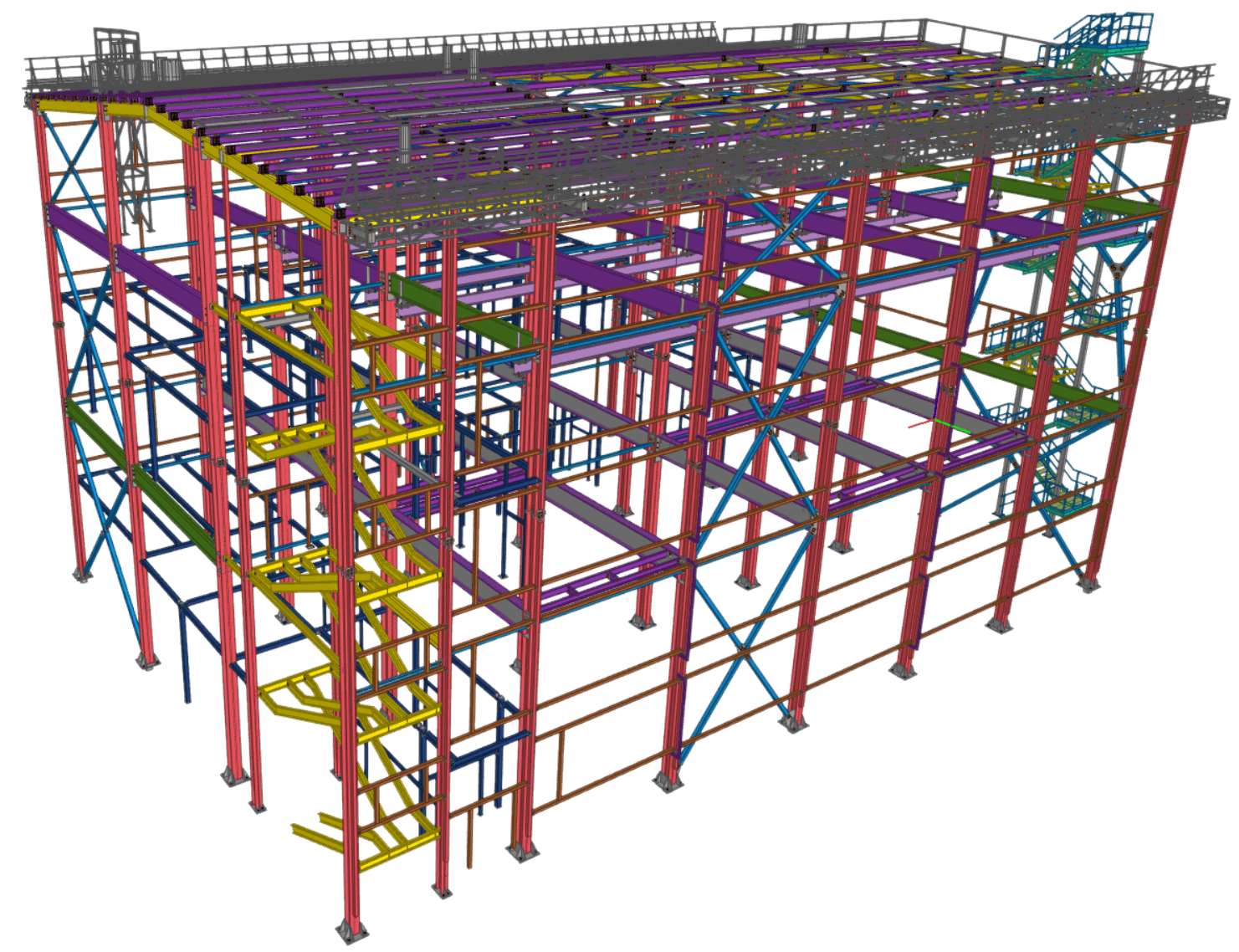
Project phases
Requirement Analysis
In this initial phase, the customer's specific requirements were gathered, including functional aspects of production processes, required floor space, and technical specifications necessary for the silicon plant's operation. Close collaboration with stakeholders ensured that all relevant factors were incorporated into the planning.
Surveying with 3D Laser Scanning
To accurately capture existing conditions, the site was surveyed using 3D laser scanning. This modern technology enables the creation of digital models, serving as the foundation for project planning and analysis while providing a precise representation of the location.
As-Built Modeling
Based on the 3D laser scanning results, an as-built model of the existing structures was created. This included detailed documentation of all relevant elements, such as existing buildings and infrastructure features. The as-built modeling ensured that all planning was based on accurate and reliable data.
Preliminary Design (LPH 3)
In this phase, the initial concept for the production building was developed. The design included the spatial arrangement of different areas, such as production, storage, and offices, as well as the technical layout of required equipment. Special attention was paid to workflow efficiency and ergonomic workspace design.
Approval Planning (LPH 4)
This phase involved preparing the approval documentation, including detailed drawings, building permit applications, and coordination with relevant authorities to ensure compliance with all legal requirements.
Execution Planning (LPH 5)
In the final planning phase, execution plans were prepared, containing all necessary workshop and assembly drawings. These detailed plans are crucial for on-site construction and include specific instructions for structural work, technical installations, and precise assembly guidelines. The execution planning ensures that all work is carried out efficiently and to the highest standards.
Galery
Hauptansicht
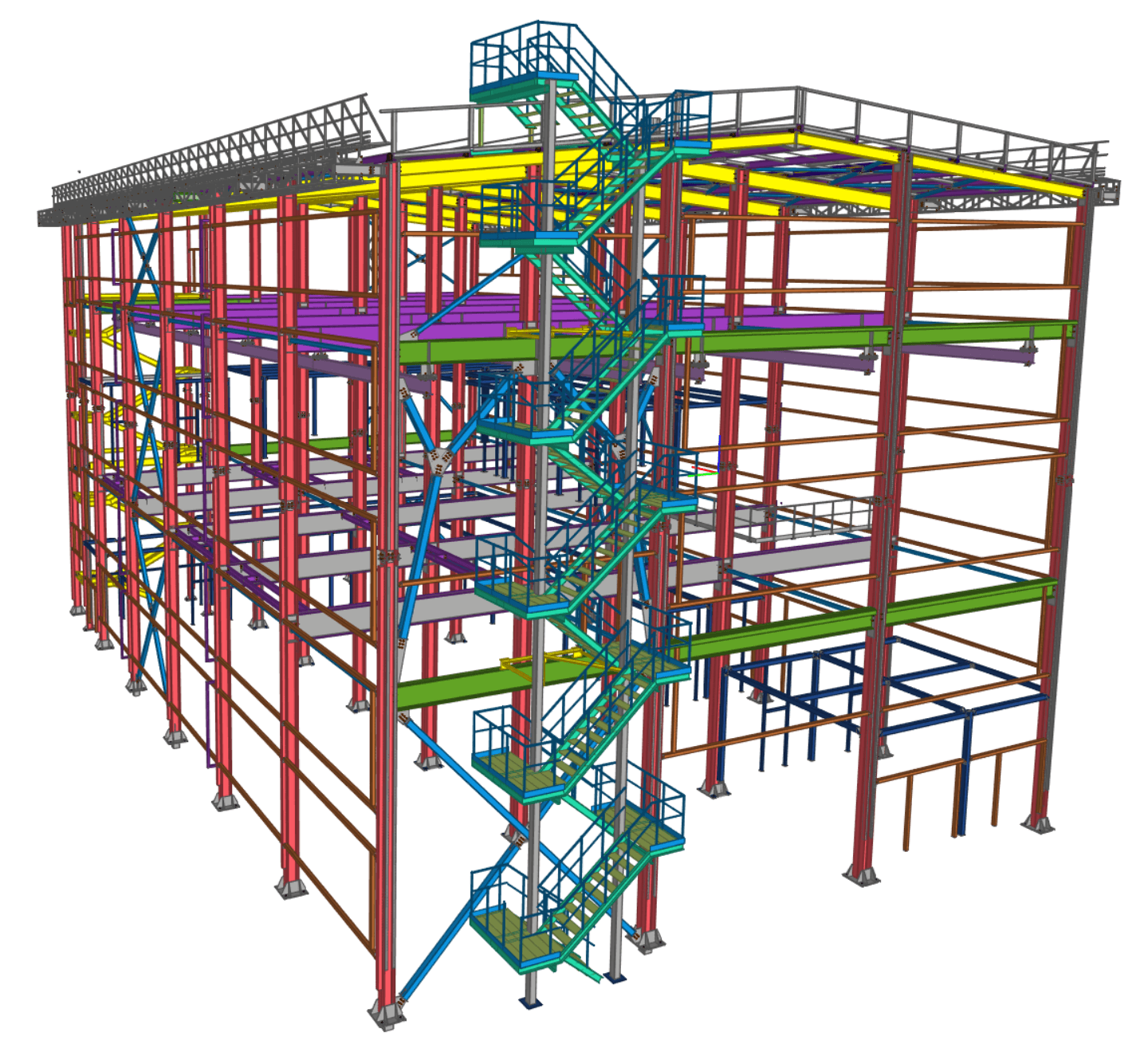
Ansicht Rechts

Draufsicht
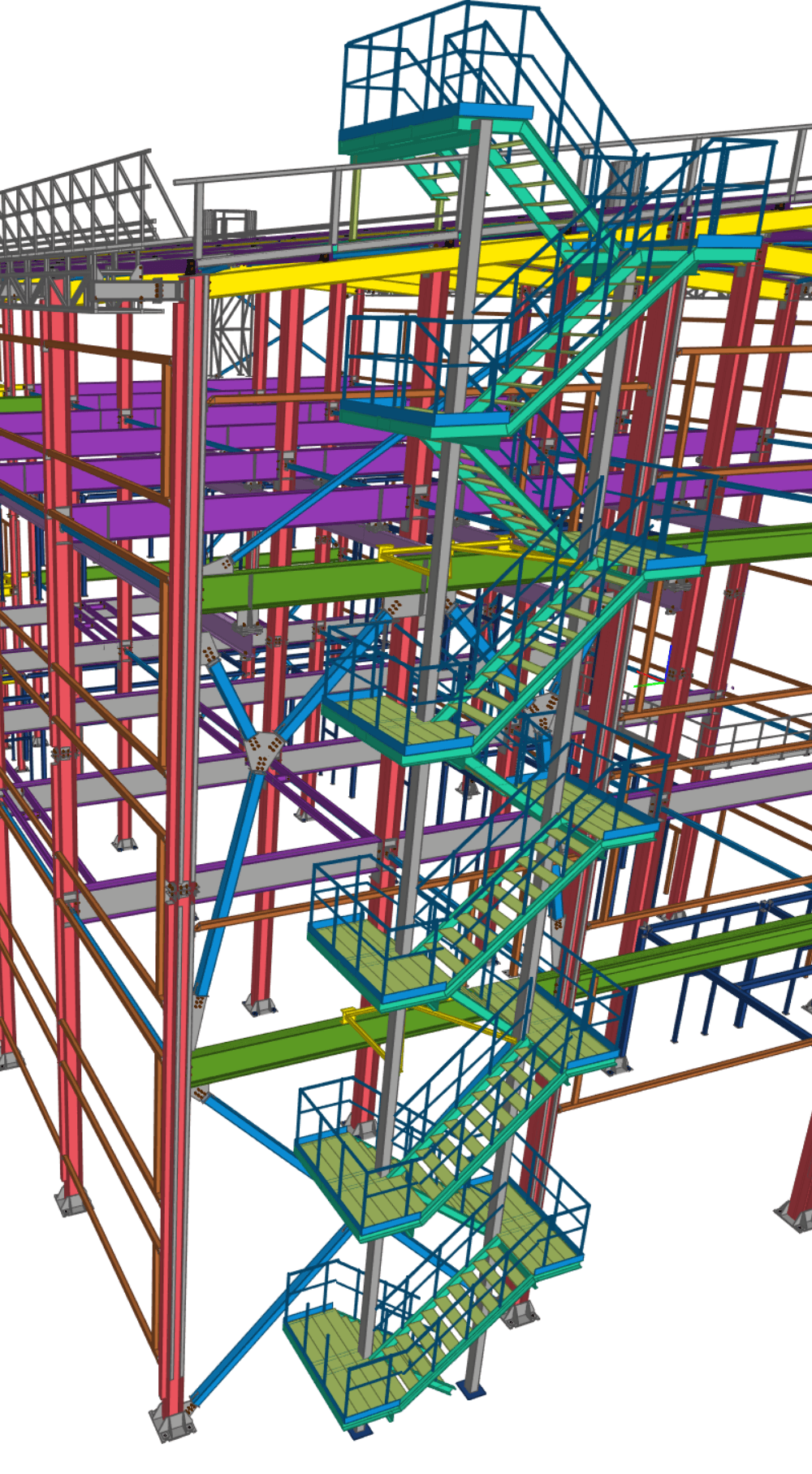
Treppenturm
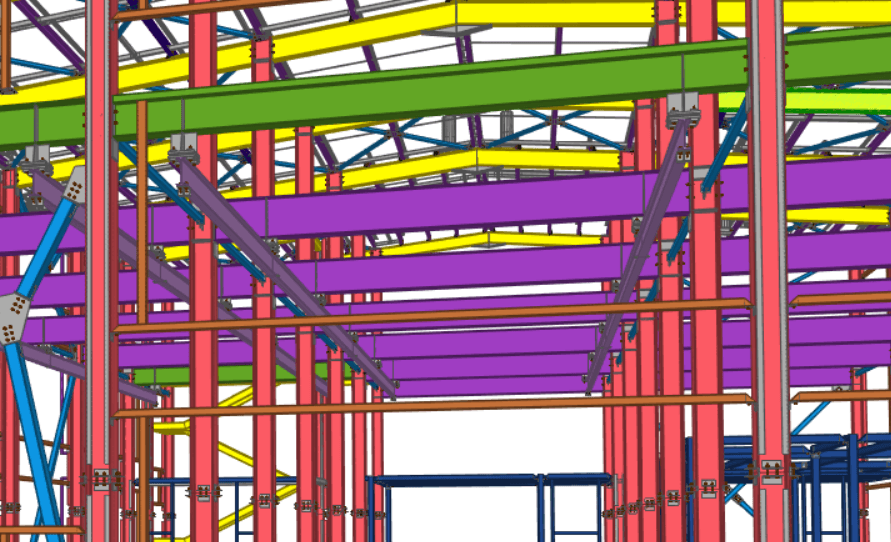
Kranträger
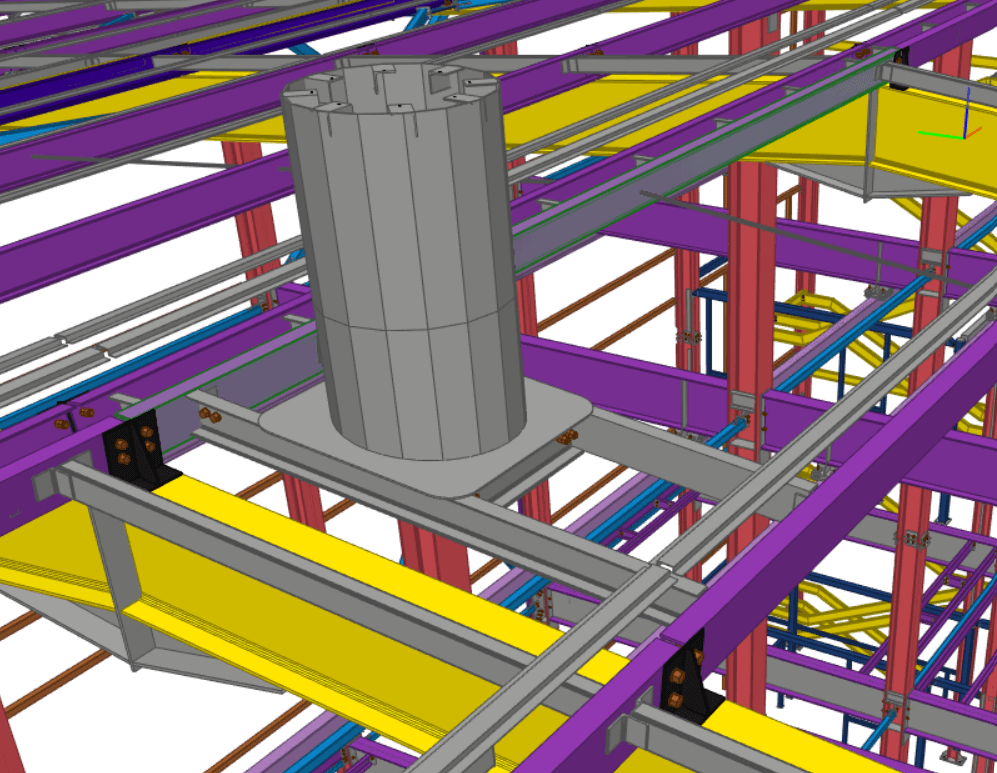
Kaminhalterung
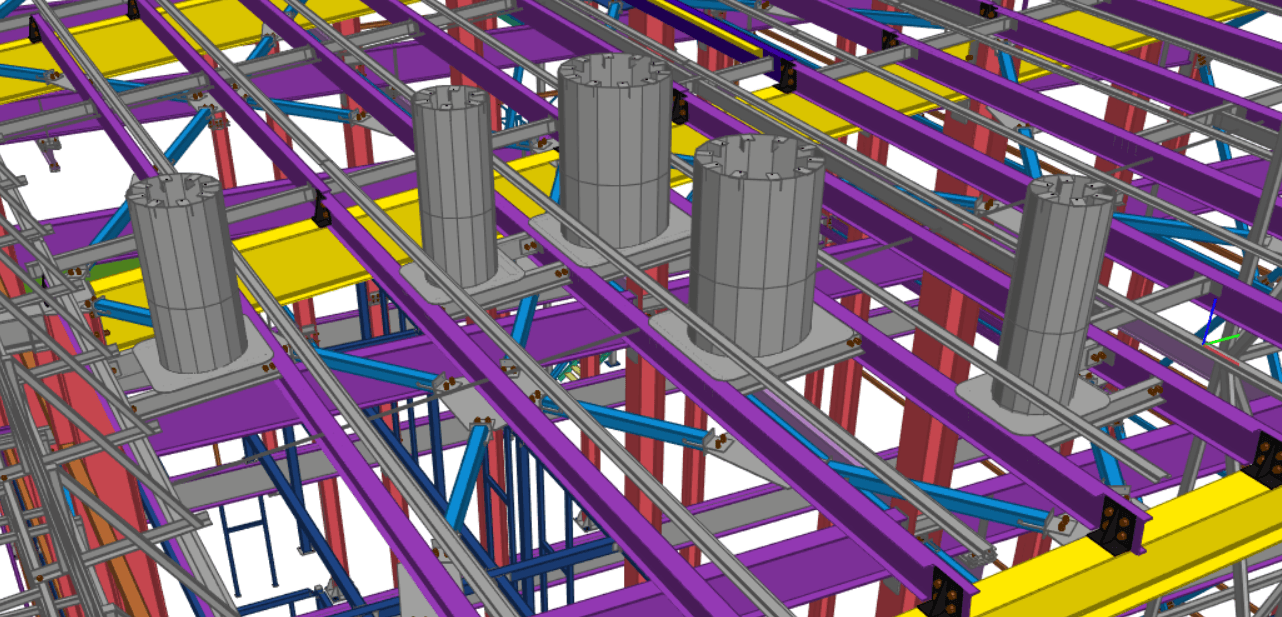
Kaminhalterung
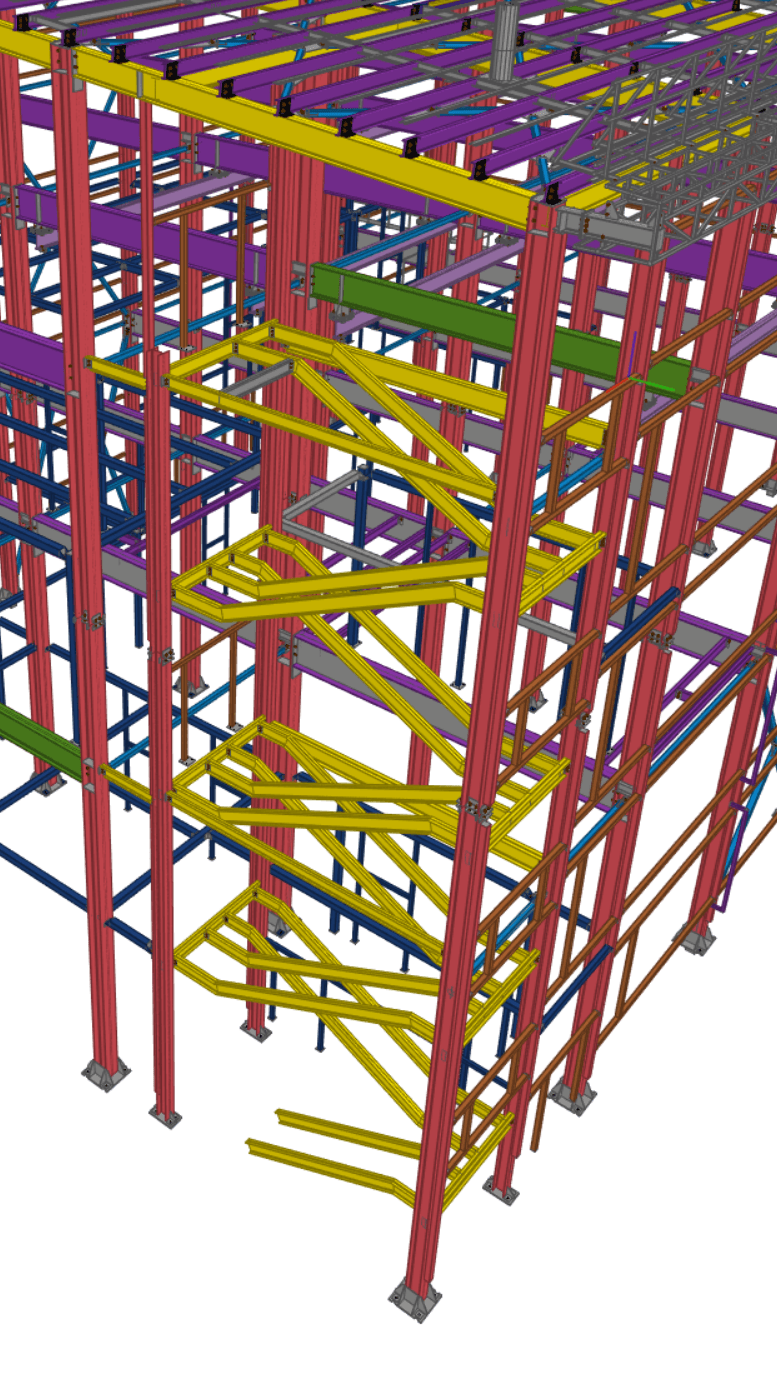
Treppenhaus

Treppenturm
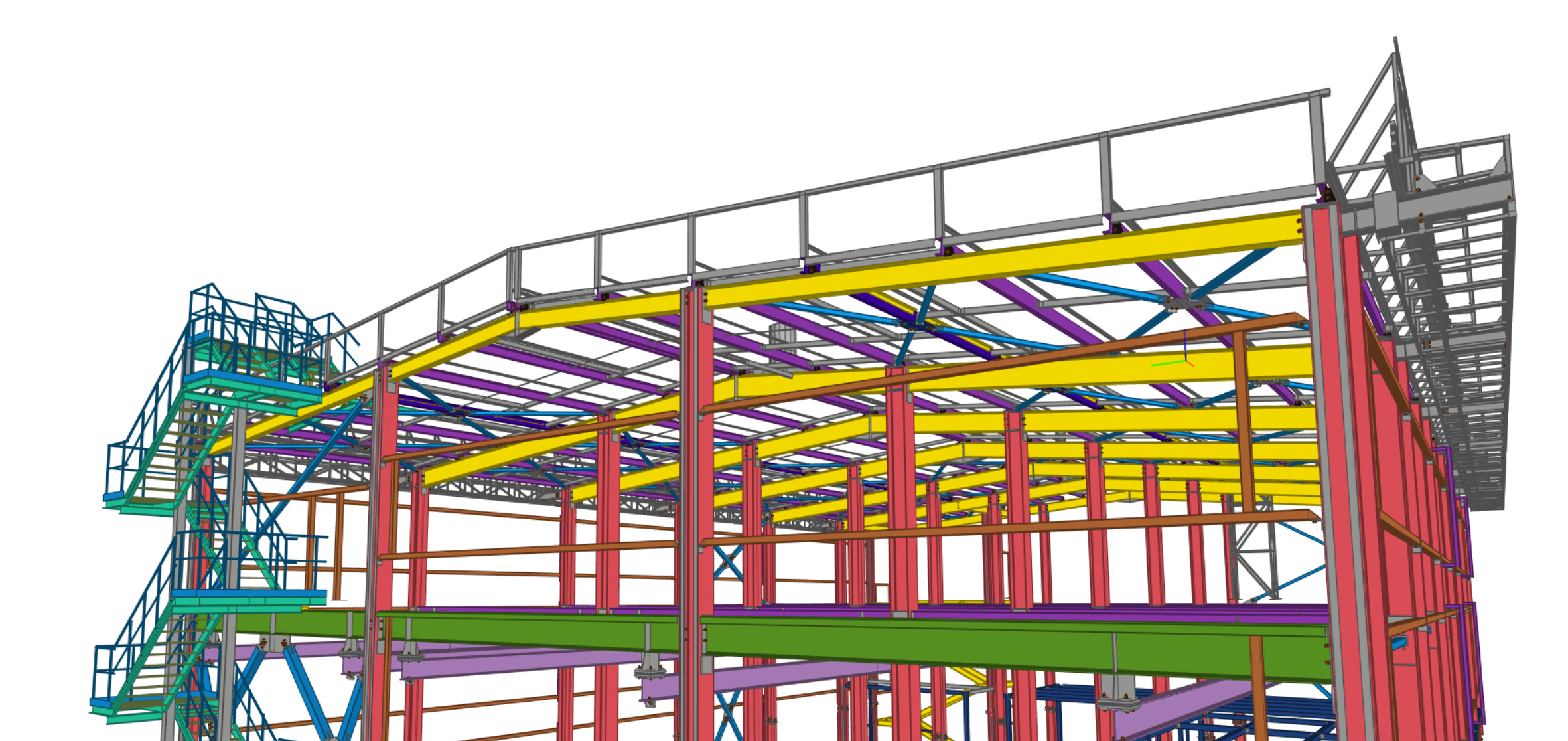
Dachaufbau